7 Traditional Kitchen Skills Every Modern Homesteader Should Master: A Roadmap to Self-Sufficiency
Stop relying on the grocery store and start building a resilient home. In this guide, we dive deep into the 7 traditional kitchen skills every modern homesteader should master to transform raw ingredients into a stocked pantry. Whether you’re a beginner or a seasoned pro, these time-honored techniques are the key to a healthy, sustainable, and slow-living lifestyle. The modern kitchen has become a place of convenience—microwave meals, pre-cut vegetables, and store-bought bread. But for those of us leaning into the “Slow Living” movement, the kitchen is more than just a room; it is the engine room of a self-sufficient life.
If you’ve already stocked your pantry and gathered your essential tools, you might be wondering: What’s next? The answer lies in the hands. Mastering 7 traditional kitchen skills every modern homesteader should master is the bridge between simply owning a kitchen and truly running a homestead. These skills save money, improve gut health, and provide a sense of security that a grocery store never can.
Let’s dive into the lost arts of the kitchen that are making a massive comeback in 2026.
My Motivation for Choosing Self-Sufficiency
My Personal Experience: Why I Mastered These Skills: When I first launched Oken Meadow, I realized that modern life had made me far too dependent on grocery stores. In 2026, self-sufficiency isn’t just a trend; it’s a necessary skill for a resilient home. I remember my first attempt at cooking everything from scratch—it was overwhelming at first. But mastering these traditional kitchen skills transformed my relationship with food. These aren’t just techniques I read about; they are the core habits I’ve built to ensure my kitchen is a place of true production, not just consumption.”
Table of Contents
1. The Art of Sourdough: Baking with Wild Yeast
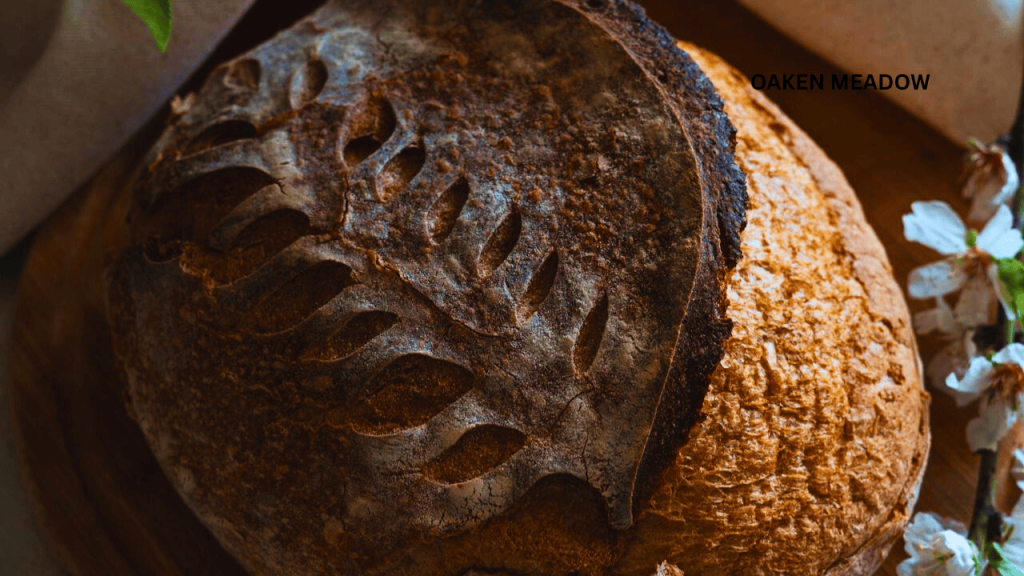
There is something deeply spiritual about a sourdough starter. It’s a living thing. Unlike commercial bread, which relies on industrial yeast, sourdough uses wild yeast captured from your own environment.
When discussing 7 traditional kitchen skills every modern homesteader should master, sourdough is often the first milestone. It requires patience—feeding the starter, waiting for the “bulk ferment,” and perfecting the “stretch and fold.”
- Why it’s a game-changer: It breaks down gluten and phytic acid, making the bread easier to digest and more nutrient-dense.
- The Homesteader’s Secret: Don’t throw away your “discard.” Use it for pancakes, crackers, or pizza crust to ensure zero waste.
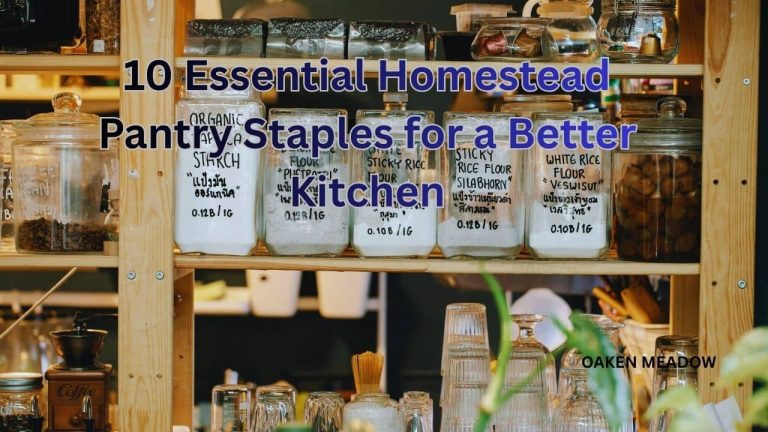
To truly master these skills, you first need a solid foundation. Make sure your kitchen is stocked with the 10 Essential Homestead Pantry Staples for a Better Kitchen that every traditional cook needs.
A Lesson in Patience: My First Sourdough Journey
A Quick Lesson from My Own Homestead Kitchen: I have to admit, one of the hardest traditional skills for me to master was sourdough baking. My first few loaves were hard as bricks! It taught me that traditional kitchen skills require something modern life often lacks: patience. Whether it’s waiting for a ferment or learning the right way to preserve a harvest, my biggest takeaway is that you can’t rush quality. In my experience at Oken Meadow, once you get the hang of the rhythm of a traditional kitchen, you’ll never want to go back to processed alternatives.
2. Master the Science of Fermentation
Before refrigeration, there was fermentation. This skill isn’t just about preservation; it’s about transformation. By allowing beneficial bacteria to thrive, you turn simple vegetables into probiotic powerhouses.
- Sauerkraut and Kimchi: These are the “gateway” ferments. All you need is salt, cabbage, and time.
- Kombucha and Kefir: Mastering these fizzy, fermented drinks allows you to cut out sugary sodas entirely.
- The Professional Touch: Always ensure your vegetables stay below the brine. “In the brine, all is fine; in the air, beware.”
3. Water Bath and Pressure Canning
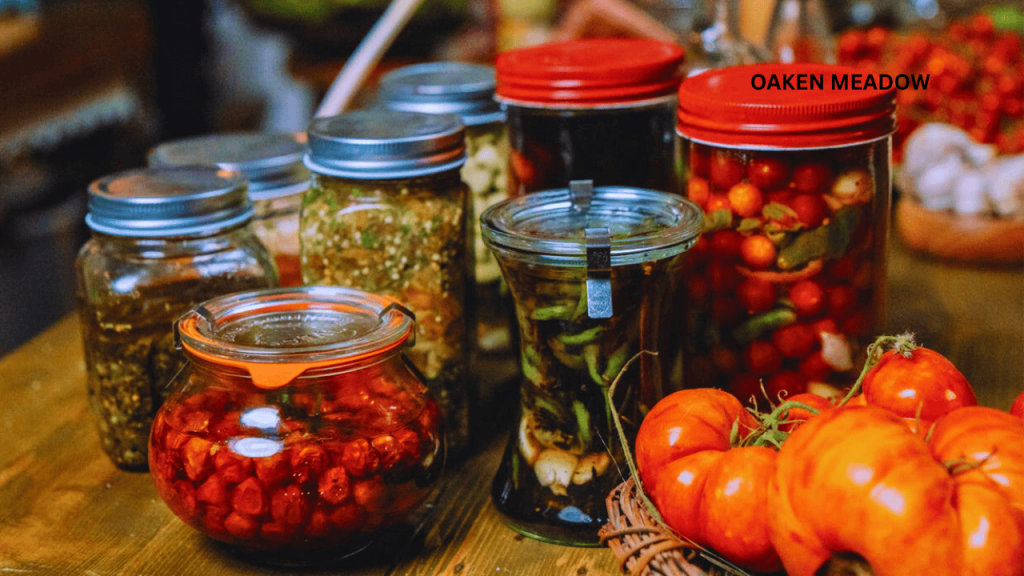
If you want to eat from your garden in the dead of winter, you must learn to can. Among the 7 traditional kitchen skills every modern homesteader should master, canning is the one that requires the most precision for safety.
- Water Bath Canning: Perfect for high-acid foods like pickles, jams, and tomatoes.
- Pressure Canning: This is for low-acid foods like green beans, corn, and meats. You cannot skip the pressure canner for these, as it’s the only way to safely eliminate the risk of botulism.
- The Reward: Nothing beats the “ping” of a sealing jar lid at the end of a long harvest day.
Having the right tools makes all the difference when practicing these techniques. If you’re wondering which pots or jars to use, check out our guide on 12 Must-Have Homestead Kitchen Essentials for a Stress-Free Slow Living Life. Traditional food preparation, such as fermenting grains, helps neutralize phytic acid, a concept deeply explained by the Weston A. Price Foundation as a way to unlock more nutrients in our diet
4. Dairy from Scratch: Butter, Yogurt, and Cheese
You don’t need a cow to master dairy. Even with high-quality store-bought milk, you can reclaim these skills.
- Homemade Butter: If you have a jar and some heavy cream, you have butter. Shake it until the solids separate from the buttermilk.
- Yogurt and Kefir: These are remarkably easy to make in a slow cooker or a warm corner of the kitchen, providing a constant source of protein and probiotics for your family.
- The Next Level: Once you’re comfortable, try making a simple farmhouse cheddar or a creamy ricotta.
5. Dehydrating: Concentrating the Harvest
Dehydration is perhaps the oldest preservation method known to man. It’s space-efficient and keeps the nutrients intact.
- Herbs: Stop buying dried herbs in plastic jars. Dry your own basil, oregano, and mint to keep your 7 traditional kitchen skills every modern homesteader should master sharp and your pantry flavorful.
- Fruit Leathers & Jerky: These are the ultimate homestead snacks. They are portable, shelf-stable, and far healthier than anything in the “snack aisle.”
6. Zero-Waste Cooking: The “Scraps to Gold” Philosophy
A professional homesteader looks at a pile of onion skins and carrot tops and sees a meal. Zero-waste cooking is about honoring the ingredients.
- Bone Broth: Never throw away a chicken carcass. Simmer it with veggie scraps and apple cider vinegar for 24 hours to create a liquid gold that heals the gut and flavors every soup.
- Tallow and Lard: Learning to render animal fat is a lost art. Tallow is an incredible cooking fat and also serves as a base for natural skincare.
7. The Kitchen Apothecary: Food as Medicine
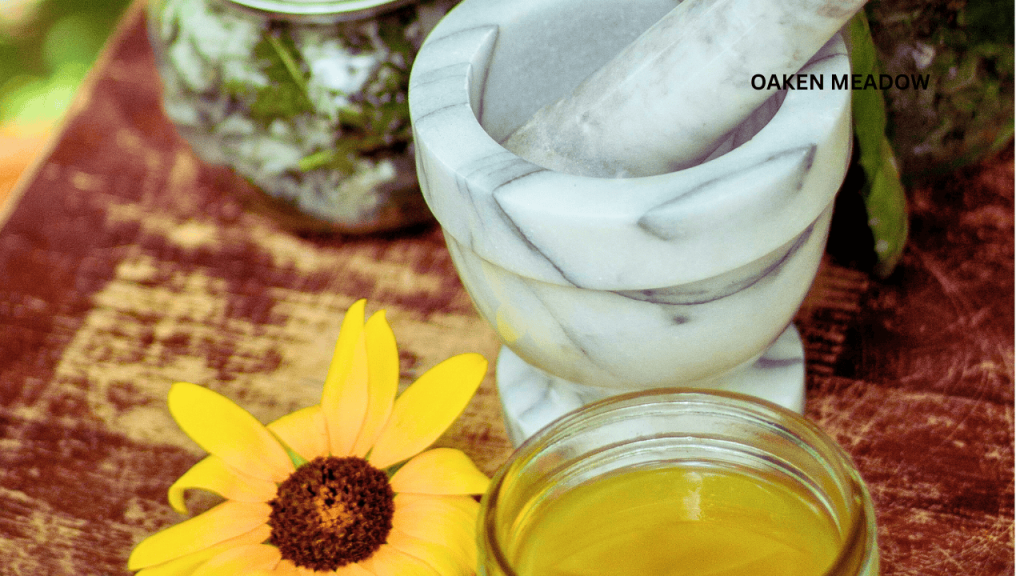
Your spice rack is more than just flavor; it’s a medicine cabinet. Learning to blend teas and create infusions is the final pillar of the 7 traditional kitchen skills every modern homesteader should master.
- Fire Cider: An infusion of apple cider vinegar, garlic, ginger, and horseradish that acts as a powerful immune booster.
- Elderberry Syrup: A staple for cold and flu season that you can easily make at home for a fraction of the store price.
Video Guide: Master Traditional Homestead Skills with Farmhouse on Boone
The True Value of a Self-Sufficient Kitchen
How These Skills Changed My Home Life
People often ask me if mastering seven different skills is too much work. In my experience, it’s actually a huge time-saver in the long run. Having a pantry full of preserved goods and the ability to whip up a meal from basic staples has reduced my grocery trips and my stress. For me, being a modern homesteader in 2026 is about blending these old-world skills with our current lifestyle. I hope these insights help you realize that anyone can start this roadmap to self-sufficiency, one skill at a time
Final Thoughts: Reclaiming the Heart of Your Home
Transitioning to a “from-scratch” lifestyle doesn’t happen overnight. It’s a journey of trial, error, and immense satisfaction. Whether it’s the smell of fresh sourdough hitting the air or the colorful rows of jars lining your shelves, these 7 traditional kitchen skills every modern homesteader should master are about more than just food—they are about reclaiming your independence and nourishing your family with intention.
Don’t feel pressured to master all of them at once. Start with one that excites you, perfect it, and then move to the next. Remember, the goal of a homestead kitchen is progress, not perfection. By bringing these old-world techniques into your modern home, you are creating a sustainable legacy that will serve you and your loved ones for years to come.
Is it safe to can food at home?
Absolutely, provided you follow tested recipes (like those from the Ball Blue Book). Never “rebel can” low-acid foods without a pressure canner.
How much time do these skills actually take?
Many of these skills are “passive.” It takes 5 minutes to prep a ferment, and then the bacteria do the work for two weeks. It’s about integration, not constant labor.
Do I need expensive equipment?
No. Most of these skills can be started with basic glass jars, a large pot, and a sharp knife. You can upgrade to dehydrators or pressure canners as you grow.
💬 Let’s Start a Conversation!
Which of these 7 traditional kitchen skills every modern homesteader should master are you most excited to try first? Or perhaps you’ve already mastered one?
Leave a comment below and share your experience—I’d love to hear your homesteading stories!
📌 Love this guide? Don’t forget to Pin it to your Pinterest “Homesteading” or “Slow Living” board so you can come back to it whenever you need a refresher!
Final Thoughts & Call to Action
The journey to a self-sufficient kitchen isn’t a race; it’s a lifestyle shift. By mastering these 7 traditional kitchen skills every modern homesteader should master, you are reclaiming your independence from the industrial food system.
Which of these 7 skills are you going to tackle first? Drop a comment below and let’s start a conversation! If you found this guide helpful, pin it to your “Homesteading” board on Pinterest!