Raised Bed Gardening for Beginners: The Comprehensive 2026 Guide to Growing More in Less Space
Table of Contents
The “Real Reason I Started” Hook
When I first thought about starting a serious garden for Oken Meadow earlier this year, I looked at the hard, compacted soil in my yard and honestly felt a bit defeated. Tilling that up felt like an impossible task. That’s exactly why I turned to raised beds. I didn’t just write this 2026 guide based on theory; these are the exact steps I took to completely bypass my terrible yard soil and finally start growing my own food in a compact space without breaking my back.
The Modern Shift to Raised Beds
Mastering raised bed gardening for beginners is the quickest way to turn a brown thumb into a green one while growing more food in less space. In my years of experience, I’ve found that raised bed gardening for beginners is a cornerstone of modern homesteading for beginners. It removes the guesswork and puts you in total control of your food source. If you’re looking for an easy way to grow your own food, raised bed gardening for beginners is the perfect starting point to ensure a massive harvest in 2026.
Gardening is a journey of trial and error, but for many, the “error” phase lasts too long because of poor soil or bad drainage. If you are tired of fighting against rocky earth or stubborn weeds, let me introduce you to the most efficient way to grow food: Raised Bed Gardening.
1. Why Raised Beds are the Future of Homesteading
If you are still on the fence about whether to dig up your lawn or build a bed, consider these professional-grade advantages:
- Extended Growing Seasons: Soil in a raised bed warms up much faster in the spring than the ground does. This allows you to plant weeks earlier.
- Total Soil Sovereignty: You aren’t “fixing” your backyard soil; you are replacing it with a custom-blended nutrient powerhouse.
- Accessibility: By building beds to the right height, you can garden without straining your back or knees.
- Pest Deterrence: An elevated bed makes it harder for rabbits, slugs, and other crawling pests to access your precious crops.
Studies in home gardening trials have shown that raised beds can improve vegetable yields by up to 1.5 times compared to compacted in-ground soil, mainly due to better drainage and root aeration.
2. Planning Your Layout: Sunlight and Strategy
Mastering raised bed gardening for beginners is the quickest way to turn a brown thumb into a green one while growing more food in less space. Location is everything. Before you drive a single nail into a piece of wood, you must observe your land.
One of the first things you need to do is identify your specific growing climate. I highly recommend using the USDA Plant Hardiness Zone Map to see which plants are best suited for your local area. This ensures you don’t waste time and money on crops that won’t survive your region’s temperatures
The 6-Hour Rule
Most vegetables—especially tomatoes, peppers, and cucumbers—need a minimum of 6 to 8 hours of direct sunlight. Watch your yard throughout the day. Does that oak tree cast a shadow at 2 PM? If so, move your bed.
Proximity to Water
I’ve seen many beginners build beautiful gardens at the far edge of their property, only to realize they have to haul 50-foot hoses every day. Place your beds as close to a water spigot as possible. If it’s easy to water, your garden will survive; if it’s a chore, it won’t.
3. Choosing Your Materials: What Lasts and What Leaches?
When it comes to raised bed gardening for beginners, the material you choose defines the longevity of your investment.
- Cedar and Redwood: These are the gold standards in the US. They contain natural oils that prevent rot and repel insects. A cedar bed can easily last 15 years.
- Galvanized Steel: A rising trend in 2026. It gives a sleek, modern look and lasts for decades. Don’t worry—it won’t “cook” your plants; the soil actually stays quite cool.
- Composite Wood: Made from recycled plastic and wood fibers. It’s expensive but virtually indestructible.
What to Avoid: Never use old railroad ties or “Green” pressure-treated wood from before 2004, as they can leach toxic chemicals into your food.
4. Dimensions: The Golden Ratio of Gardening
Don’t make your beds too big! A common mistake is building a massive 8×8 foot square. How will you reach the middle? You’d have to step on the soil, which crushes the air pockets your plants need to breathe.
- Width: Keep it to 4 feet maximum. This allows you to reach the center from either side comfortably.
- Length: 8 feet is standard and fits most lumber sizes.
- Depth: 12 to 18 inches is the “sweet spot.” While 6 inches is enough for lettuce, deeper beds (18″+) allow for massive root systems and better moisture retention.
Visual Guide: How to Start a Raised Bed Garden
To avoid the most common pitfalls in raised bed gardening for beginners, I recommend watching this expert guide before you start building.
5. The “Perfect Soil Mix” Recipe
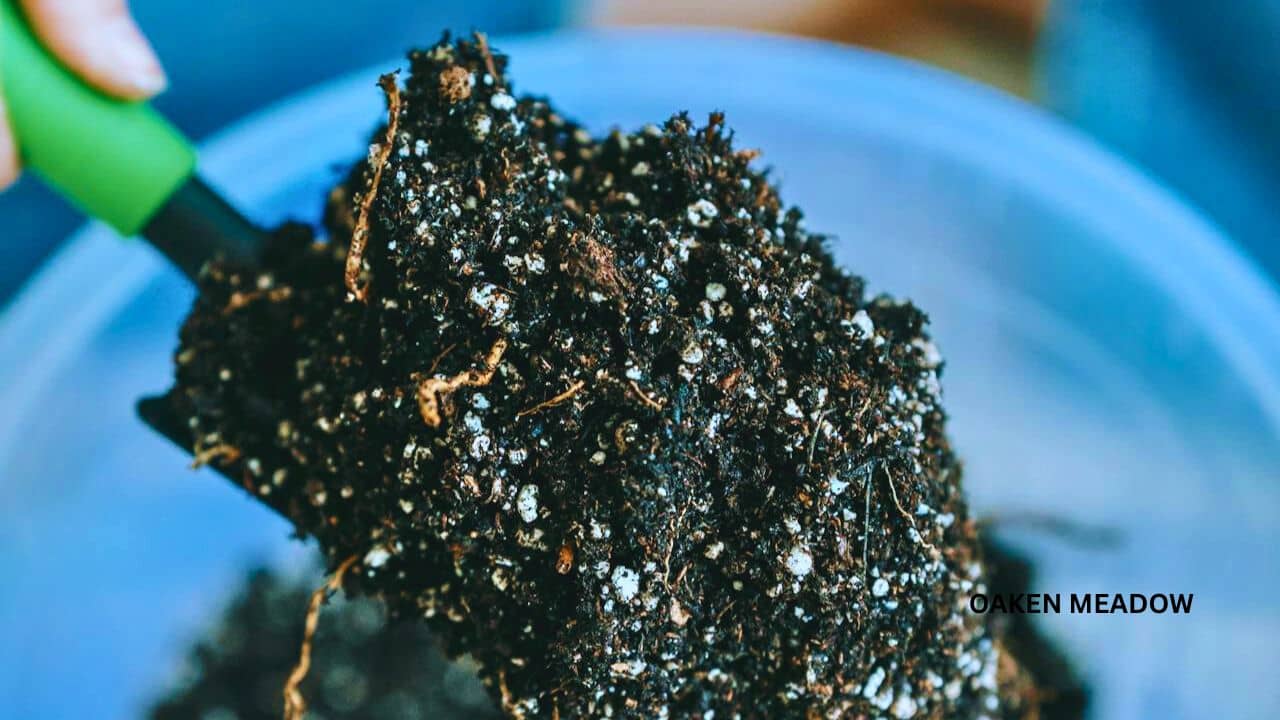
This is where the magic happens. Do not—I repeat, do not—fill your bed with 100% bagged topsoil. It will turn into a brick within a month. To avoid the most common pitfalls in raised bed gardening for beginners, I recommend watching this expert guide before you start building. Use my professional “Triple Mix” formula:
- 50% High-Quality Topsoil: For mineral structure.
- 30% Organic Compost: Use a variety (leaf mold, composted manure, and kitchen compost). This is your plant food.
- 20% Aeration Material: Use Perlite, Vermiculite, or Peat Moss. This ensures the soil stays light and fluffy so roots can “run” easily.
Expert Tool Tip: Managing this much soil requires a sturdy shovel and a reliable rake. If you haven’t upgraded your kit yet, read our guide on the Best Garden Tools Every US Home Gardener Needs in 2026 to find the right gear for the job.
When I built my very first raised bed, I made a classic beginner mistake—I filled it with 100% bagged topsoil. Within three weeks, the soil compacted so badly that water pooled on the surface and my carrots grew twisted and stunted. That failure taught me the importance of aeration materials in the Triple Mix formula.
My Biggest Soil Mistake
A Quick Lesson From My First Raised Bed
I have to confess a major beginner mistake I made. When I built my very first raised bed, I tried to save money by filling the bottom half with random dirt and clay from another part of my yard. After the first heavy rain, it completely compacted into cement. My plant roots couldn’t breathe, and my first batch of seedlings struggled. I ended up having to shovel it all out and start over. Trust me on this: investing in a proper, lightweight organic soil mix from the very beginning is non-negotiable.
6. Planting Strategies for High Yields
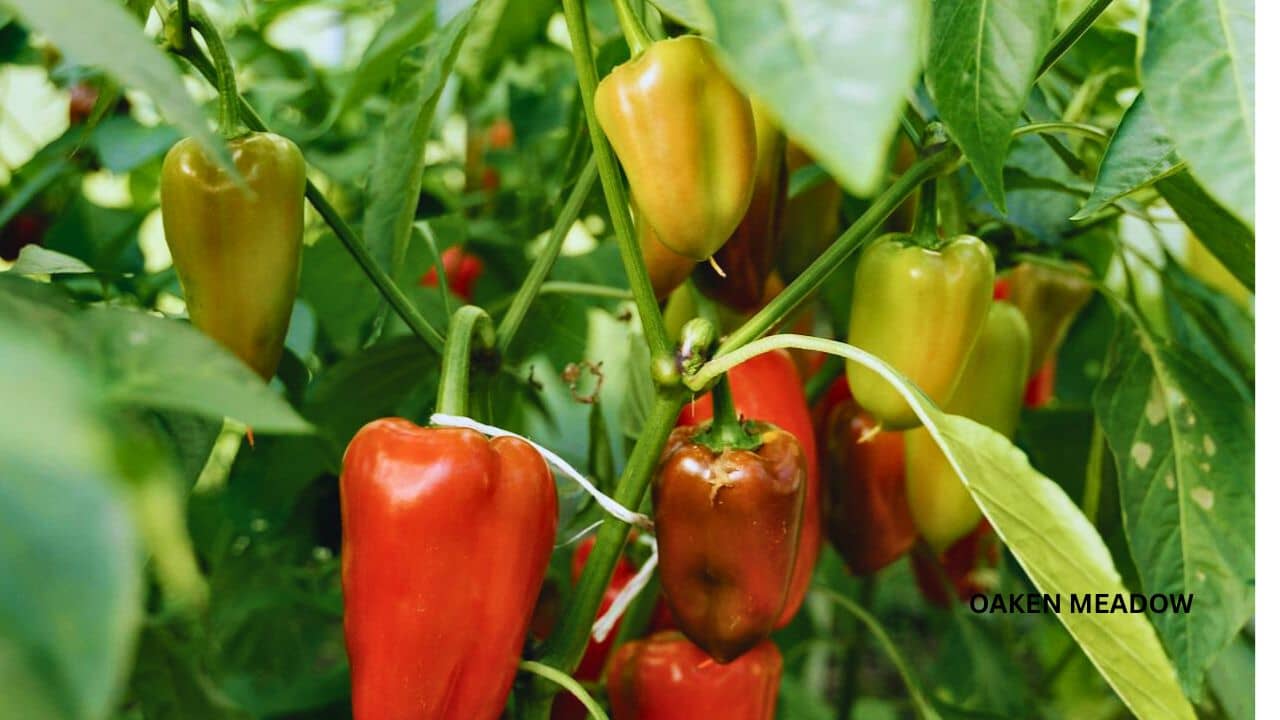
Once your bed is built and filled, it’s time to plant. But don’t just scatter seeds randomly.
Succession Planting
Don’t plant all your lettuce at once. Plant a small row every two weeks. This ensures a steady harvest all summer rather than 20 heads of lettuce ripening on the same day.
Vertical Gardening
Utilize the back of your raised bed. Install a cattle panel or a trellis and grow your cucumbers and pole beans upward. This saves floor space for lower-growing crops like carrots and onions.
7. Maintenance: The “Low-Effort” Way
The beauty of raised bed gardening for beginners is that it’s low maintenance, but “low” doesn’t mean “zero.”
- Mulching: Cover your soil with straw or shredded leaves. This prevents evaporation and keeps the soil biology alive.
- The Finger Test: Stick your finger two inches into the soil. If it’s dry, water. If it’s moist, leave it. Overwatering is the #1 killer of container gardens.
- Organic Pest Control: Keep a bottle of Neem Oil or insecticidal soap handy. Better yet, plant Marigolds around the edges; they are natural repellents for many common garden pests.
8. Common Myths Debunked
- “Raised beds need a bottom:” No! You want your bed to be open to the ground below so beneficial worms can travel up and excess water can drain out.
- “It’s too expensive:” While the initial setup costs more than a traditional garden, the lack of crop failure and the years of use make it much cheaper in the long run.
Frequently Asked Questions About Raised Bed Gardening
What is the best depth for a raised garden bed?
For most vegetables, a depth of 12 to 18 inches is ideal. While 6 inches is enough for shallow-rooted crops like lettuce, deeper beds allow for better root expansion and better moisture retention during hot summers.
Do I need to put a bottom on my raised bed?
Generally, no. Keeping the bottom open allows beneficial organisms like earthworms to move into your bed and ensures superior drainage. However, if you have issues with burrowing pests (like gophers), you can line the bottom with hardware cloth or galvanized wire mesh
How often should I water my raised beds?
Raised beds drain faster than traditional in-ground gardens. In the peak of summer, you may need to water once a day. Always use the finger test—if the top two inches of soil feel dry, it’s time to water
Can I use pressure-treated wood?
Modern pressure-treated wood (post-2004) is generally considered safe for edible gardens as it no longer contains arsenic. However, for 100% peace of mind, many organic gardeners prefer using natural Cedar, Redwood, or lining the wood with heavy-duty plastic.
What is the cheapest way to fill a raised bed?
The Hügelkultur method is the most cost-effective. Fill the bottom 40% of your bed with old logs, sticks, and dry leaves. Over time, these decompose into rich fertilizer, meaning you only need to buy high-quality soil for the top half of the bed.
If you have a bit more space, raised beds are great. But if you’re looking to maximize a smaller area like a balcony or patio, check out my latest guide: High-Yield Container Gardening Secrets for Beginners to start growing food in limited space.
The “Physical Benefit” Takeaway
Why It Was Worth the Initial Effort
Readers often ask me if the upfront cost and effort of buying wood and building these beds are really worth it. In my experience, absolutely. Aside from the better yields, the biggest win for me has been the physical relief. Being able to weed and harvest without bending all the way down to the ground has made gardening so much more enjoyable. If you have limited space and want to start fresh in 2026, building just one small, raised bed is the best first step you can take.
Conclusion: Your First Harvest Awaits
Starting a garden can feel overwhelming, but raised bed gardening for beginners breaks it down into manageable, successful steps. By controlling your soil, your location, and your materials, you are setting yourself up for a bountiful 2026 harvest.
Remember, the goal of homesteading isn’t perfection; it’s progress. Your first home-grown tomato will taste better than anything you’ve ever bought at a store—I guarantee it.
Ready to start building? What’s the first thing you’re going to plant? Let me know in the comments below, and don’t forget to share this guide with your fellow gardeners!
Starting your journey with raised bed gardening for beginners is a rewarding experience that pays off with fresh, organic harvests.
Call to Action (CTA)
Ready to Start Your Own Garden Journey?
Don’t wait for the “perfect” season—the best time to start planning your dream garden is today! If you found this guide helpful, make sure to explore our essential guide on Modern Homesteading for Beginners to see how raised beds fit into a truly self-sufficient lifestyle.
Got a question about building your first bed or choosing the right soil? Drop a comment below and let’s grow together!