The Mindful Homesteader: A Simple Guide to a Natural & Low-Waste Life in 2026
If you had told me a few years ago that my tiny suburban backyard would become my main source of fresh produce, or that I’d produce less than a single bag of trash a month, I would have laughed. Back then, my life was a cycle of buying packaged conveniences and tossing them into an overflowing bin. But as 2026 unfolds, a shift has happened. We are collectively realizing that living simply isn’t about giving up modern comforts; it’s about taking back control.
Becoming a “mindful homesteader” isn’t about owning 100 acres of off-grid land or milking cows at dawn. It’s a mindset. It’s about making intentional choices that bridge the gap between modern technology and traditional wisdom. If you are looking to build a natural and low-waste life, you are in the right place.
I want to share the exact strategies, mistakes, and practical steps I took to transition into modern homesteading. Let’s dive into how you can start living sustainably right where you are.
My Journey to a Mindful Home
My Personal Experience: Why I Chose the Mindful Path: When I first started Oaken Meadow, I realized that ‘homesteading’ isn’t just about having a massive farm; it’s a mindset. In early 2026, I made a conscious decision to audit my own household waste. I was shocked at how much plastic I was bringing home. Transitioning to a mindful, low-waste life wasn’t an overnight change for me—it started with one glass jar and a commitment to buy less. These steps I’m sharing aren’t just theories; they are the exact changes that simplified my life and reduced my stress.
Table of Contents
What Does It Mean to Be a Mindful Homesteader Today?
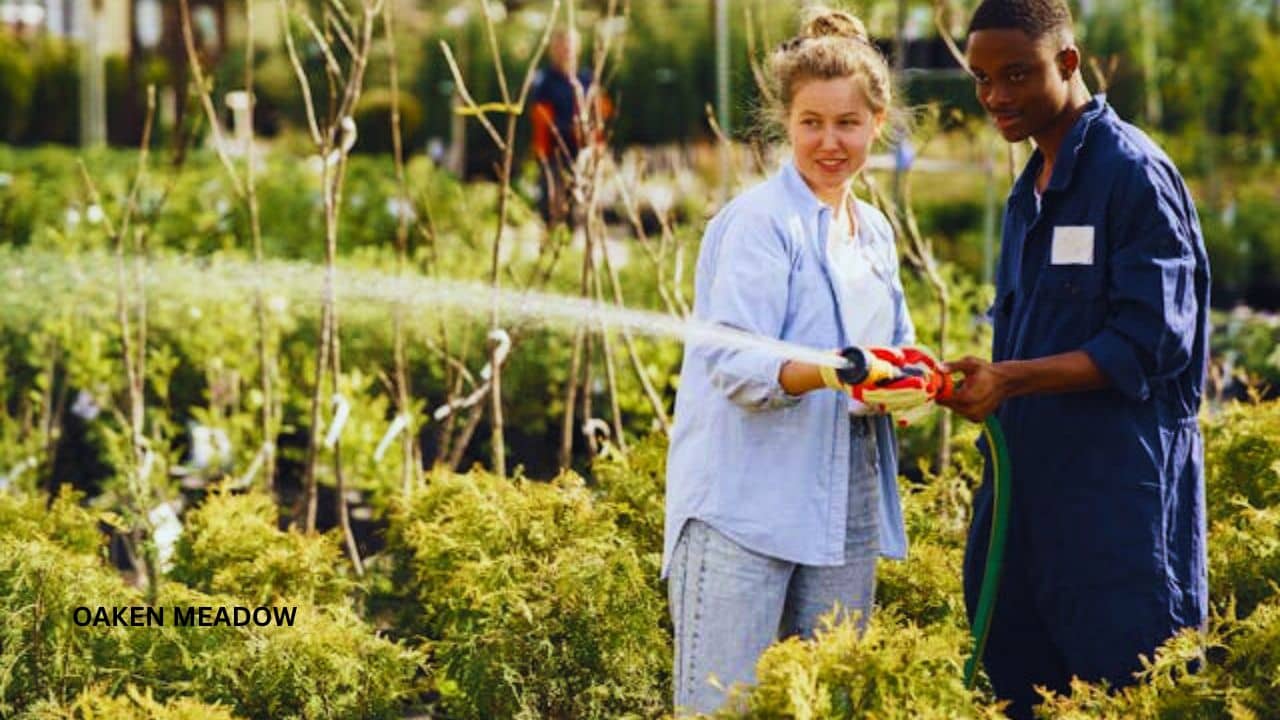
The term “homesteading” used to intimidate me. I pictured exhausting physical labor and complete isolation. But the 2026 mindful homesteader is different. We live in apartments, suburban homes, and small rural plots. We use smart-home technology alongside traditional composting methods.
At its core, mindful homesteading is the pursuit of a natural and low-waste life. It means:
- Producing more than you consume.
- Understanding exactly where your food and household products come from.
- Drastically reducing the amount of single-use waste leaving your home.
5 Practical Steps to Start Your Natural and Low-Waste Life
You don’t need a massive budget to start. In fact, a true natural and low-waste life should save you money. Here is the step-by-step roadmap I used when I first started my journey.
1. Master the Art of Composting (Yes, Even in an Apartment)
When I first tried composting, it was a disaster. I bought an expensive bin, threw everything in it, and ended up with a smelly mess. The secret? The right ratio of “greens” (kitchen scraps) to “browns” (dry leaves, cardboard).
By composting, you instantly cut your household waste by nearly 30%. If you live in an apartment, look into Bokashi composting or small worm bins (vermicomposting). They are odorless, compact, and turn your scraps into “liquid gold” for your houseplants.
2. Grow What You Eat: The Micro-Gardening Revolution
You don’t need a farm to grow food. Start with the herbs you use most often. I began with a single basil plant on my kitchen windowsill. Today, my balcony produces tomatoes, peppers, kale, and an abundance of herbs.
Growing your own food is the most empowering step toward a natural and low-waste life. It eliminates plastic packaging, reduces transportation emissions, and tastes incredibly better than store-bought produce. Start small, master the soil, and expand your garden season by season.
Growing your own food is the most empowering step toward a natural and low-waste life. It eliminates plastic packaging, reduces transportation emissions, and tastes incredibly better than store-bought produce. Start small, master the soil, and expand your garden season by season.
If you want to dive deeper into the emotional and mental benefits of your backyard, check out our guide on .
Related Read: Looking to transform your garden into a place of peace? Learn the secrets of to enhance your mindful homesteading journey.
The Reality of Low-Waste Living
A Quick Lesson from My Own Low-Waste Journey: One thing I learned the hard way in my own low-waste journey is that you don’t need to buy ‘aesthetic’ sustainable products to be mindful. I once spent too much on expensive bamboo containers, only to realize that the old glass jars I already had worked even better. My biggest advice for 2026? Use what you have first. In my experience, the most sustainable item is the one you didn’t have to buy new. This shift in thinking helped me reach a truly low-waste lifestyle without breaking the bank.
3. Switch to Reusable and Biodegradable Alternatives
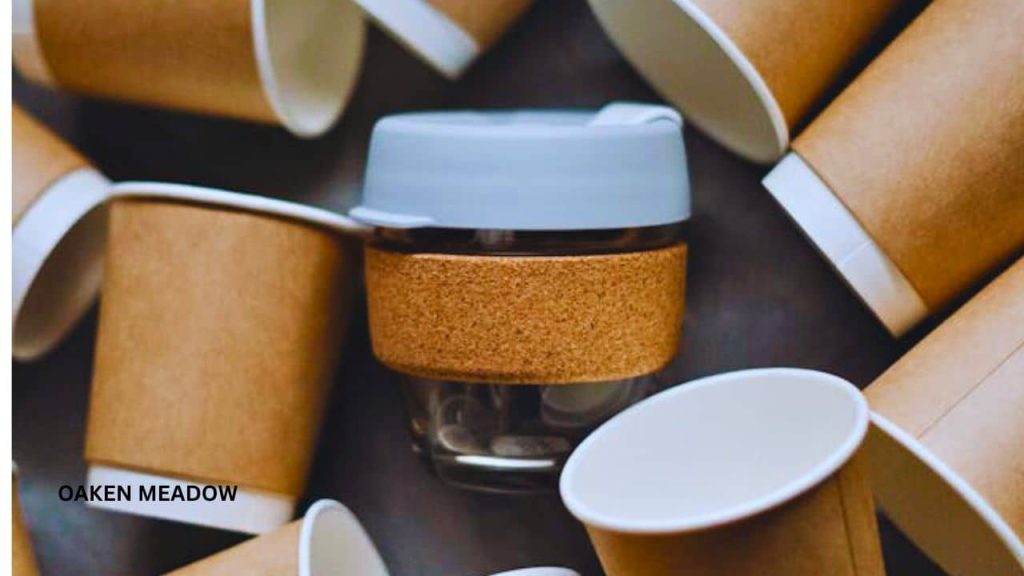
Take a walk through your home and look at the plastic. Shampoo bottles, cleaning sprays, plastic wrap—it’s everywhere. Transitioning to a natural and low-waste life means slowly swapping these out. Notice I said slowly. Don’t throw away perfectly good plastic items just to buy aesthetic glass jars. Use what you have, and replace them mindfully when they run out.
- Swap plastic wrap for beeswax wraps.
- Ditch plastic sponges for natural loofahs or wooden scrub brushes.
- Move from bottled body wash to natural cold-pressed soap bars.
4. Preserving the Harvest (Canning and Fermenting)
One of the most rewarding skills I’ve learned is food preservation. When my tomato plants suddenly produced 20 pounds of tomatoes in one week, I panicked. Learning to water-bath can and ferment saved my harvest and slashed my grocery bill for the winter.
Fermenting vegetables like cabbage to make sauerkraut not only extends their shelf life but also provides incredible gut-health benefits. It’s a foundational pillar for any mindful homesteader looking to minimize food waste.
5. DIY Natural Cleaning Products
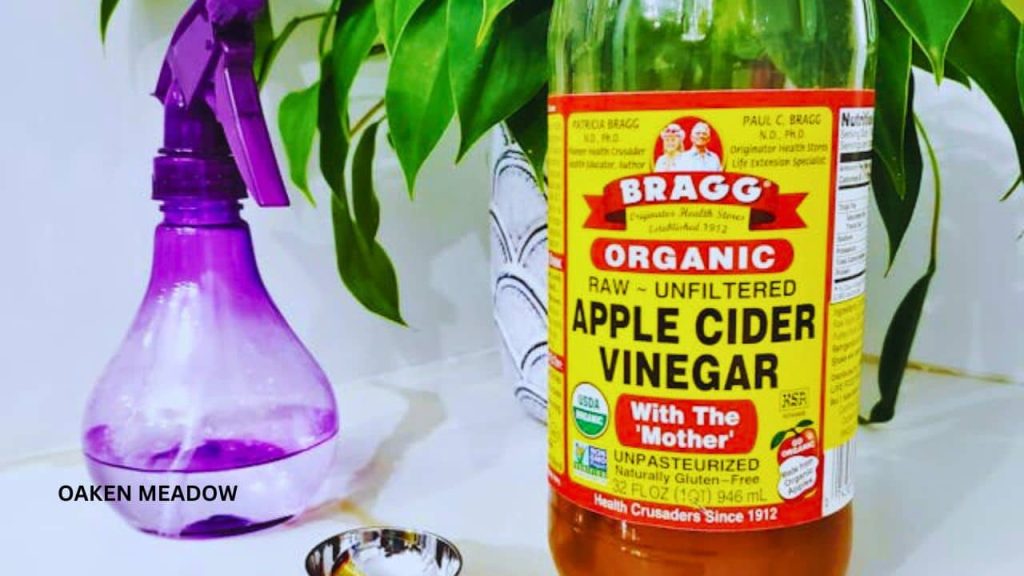
Did you know that most commercial cleaning products are 90% water packaged in single-use plastic, loaded with harsh synthetic chemicals?
Making your own cleaning supplies is shockingly simple. A mixture of white vinegar, water, and a few drops of lemon or tea tree essential oil can clean almost any surface in your home. For tough grease, baking soda is your best friend. This single switch significantly lowers the toxic load in your home and pushes you closer to a true natural and low-waste life.
The Reality Check: Mistakes I Made Early On
Social media makes homesteading look like a flawless aesthetic of linen aprons and perfectly baked sourdough bread. Let me be honest with you—it’s not always pretty.
Mistake #1: Trying to do everything at once. In my first month, I tried starting a garden, baking all my own bread, and making all my own soaps. I burned out in three weeks. The Fix: Pick one skill, master it, and then move to the next.
Mistake #2: Buying expensive “eco-friendly” gear. I spent hundreds of dollars on fancy sustainable products. I quickly realized that the most sustainable product is the one you already own. A repurposed glass jam jar works just as well as a $20 customized pantry container.
Why 2026 is the Perfect Time to Embrace This Lifestyle
With inflation impacting grocery prices and a growing global awareness of environmental issues, living a natural and low-waste life isn’t just a trend anymore; it’s a practical necessity.
Furthermore, the technology available to us today makes it easier than ever. From smart soil monitors that tell your phone when your plants need water, to community apps connecting you with local farmers for bulk buying, the modern homesteader has powerful tools at their fingertips.
Being a mindful homesteader also means connecting with like-minded people. You can see how the movement has evolved by looking back at the modern homesteading community and conferences. For those looking for more global resources on sustainable living, the Mother Earth News community offers excellent insights into the broader movement.
Watch this video to see the incredible community spirit at the Modern Homesteading Conference
Final Thoughts: Your Next Step
Transitioning to a natural and low-waste life is a marathon, not a sprint. Every small action—whether it’s choosing a reusable coffee cup, planting a single seed, or making your own vinegar cleaner—ripples outward. You are reclaiming your health, your money, and your connection to the earth.
You don’t have to be perfect; you just have to start.
What is the one step you are going to take this week to start your mindful homesteading journey? Let me know in the comments below!
If you have any questions, feel free to Contact Us today!
Frequently Asked Questions (FAQs)
Do I need a big backyard to start a natural and low-waste life?
Absolutely not! Modern homesteading in 2026 is very much about “urban homesteading.” You can practice a natural and low-waste life in a small apartment by using vertical gardening, composting with a Bokashi bin, and choosing bulk-buy options to reduce packaging waste.
Is homesteading more expensive than a traditional lifestyle?
Initially, buying high-quality reusable items might feel like an investment. However, in the long run, a natural and low-waste life saves you significant money. You’ll spend less on groceries by growing your own, less on cleaning supplies by making your own, and less on “disposable” items that you no longer need to replace.
How do I manage food waste if I don’t have space for a compost pile?
If you lack outdoor space, look into “benchtop” composting solutions or worm farms. Many cities in 2026 also have community composting programs where you can drop off your organic waste. This is a crucial step in maintaining a natural and low-waste life.
What is the easiest way to reduce plastic in a modern home?
The “Big Three” swaps are the easiest: switch to reusable shopping bags, use a refillable water bottle, and replace plastic wrap with beeswax wraps. Once these become habits, transitioning to a natural and low-waste life becomes much easier and more intuitive.
Can I still use technology as a mindful homesteader?
Yes! Mindful homesteading isn’t about living in the past; it’s about using technology wisely. In 2026, we use apps to track planting cycles, smart monitors for soil health, and online communities to trade surplus produce. Technology should support your natural and low-waste life, not complicate it.
My Daily Mindful Habit
How This Changed My Daily Routine: “People often ask me if a low-waste life in 2026 feels restrictive. In my experience, it’s actually the opposite—it’s incredibly freeing. By focusing on natural materials and mindful consumption, I’ve noticed that my home feels lighter and more peaceful. For me, homesteading is about connecting back to those simple, natural roots. I hope my experiences help you see that a soulful, low-waste life is achievable for anyone, regardless of where you live.“
Conclusion: The Heart of the Mindful Homesteader
mbracing a natural and low-waste life in 2026 is more than just a trend—it is a powerful return to what truly matters. We live in a world that often prioritizes speed over quality and consumption over connection. By choosing to grow even a small portion of your food, reducing your plastic footprint, and making mindful choices, you are reclaiming your autonomy.
Remember, homesteading is a journey of a thousand small steps. There will be days when your sourdough doesn’t rise or your compost smells a bit off, and that is perfectly okay. The goal isn’t to be a “perfect” environmentalist; it’s to be an intentional one. As we’ve explored in this guide, a natural and low-waste life is accessible to everyone, whether you have a sprawling farm or a sunny windowsill in a city apartment. It’s about finding joy in the simple, the slow, and the sustainable.
Call-to-Action: Join the Movement (CTA)
Are you ready to start your journey? I’d love to hear from you! What is the one small change you’re making this week to lead a more natural and low-waste life?
Whether it’s starting your first herb pot or finally ditching single-use plastic bottles, share your progress in the comments below. Let’s build a community of mindful homesteaders supporting each other. Don’t forget to sign up for our newsletter for weekly tips, DIY recipes, and sustainable inspiration delivered straight to your inbox!