Stop Buying Groceries! 7 High-Yield Container Gardening Secrets for Beginners to Grow $500 Worth of Food
I remember the exact moment I decided to stop being a victim of the grocery store “sticker shock.” I was standing in the produce aisle, staring at a plastic-wrapped pint of organic cherry tomatoes priced at $6.99. Six dollars for a handful of fruit that tasted like watery cardboard. I was done.
I walked out, went to my local Home Depot, grabbed a few 5-gallon buckets, and decided right then to master high-yield container gardening.
Fast forward to today: my patio generates more fresh produce than my family can eat. I’ve tracked the numbers, and between the organic heirloom tomatoes, the endless supply of kale, and the “expensive” herbs like basil and rosemary, I easily save $500 to $600 every single summer.
If you think you need a massive backyard or a tractor to grow real food, you’ve been lied to. You just need these 7 “dirt-under-the-fingernails” secrets to turn your small space into a high-production mini-farm.
Container gardening is the perfect way to start growing food on a small patio. However, if you have more ground space and want to go bigger, I’ve already covered the basics of building larger beds in my guide: Raised Bed Gardening for Beginners.
Table of Contents
The “Why I Started” Personal Hook
When I first started focusing on container gardening for Oken Meadow, I was honestly a bit skeptical. Could a few pots on a small patio really make a noticeable dent in my grocery bill? But after dealing with rising food prices, I decided to test it myself. Fast forward to today, and I can confidently tell you that growing $500 worth of food isn’t just a catchy number—it’s a very realistic goal. These aren’t just theories; these are the exact strategies I used to turn empty containers into a high-yield food source.
1. The “Dirt” Trap: Why Your Garden Soil is Killing Your Pots
The biggest mistake I see beginners make? They dig up dirt from their backyard and cram it into a pot. Don’t do it. In high-yield container gardening, your soil isn’t just “dirt”—it’s the life support system.
Backyard soil is too heavy; it compacts in a container, suffocating the roots and turning into a brick when it dries. For a high-yield harvest, you need a “soilless” potting mix.
My Secret Recipe for Success:
- 1 Part Peat Moss or Coconut Coir: For moisture retention.
- 1 Part Perlite: Those little white “popcorn” looking rocks that provide aeration.
- 1 Part High-Quality Compost: This is the “food” for your plants.
When your soil is light and fluffy, the roots can spread rapidly. Bigger roots = more fruit. It’s that simple.
2. Spend Your Money on the “Big Three” High-Value Crops
If you want to save $500, you have to be smart about what you grow. Growing a $2 bag of potatoes that takes 4 months to harvest isn’t going to save you much. To hit that $500 goal, focus on these high-ROI (Return on Investment) crops:
Indeterminate Tomatoes (The Money Makers)
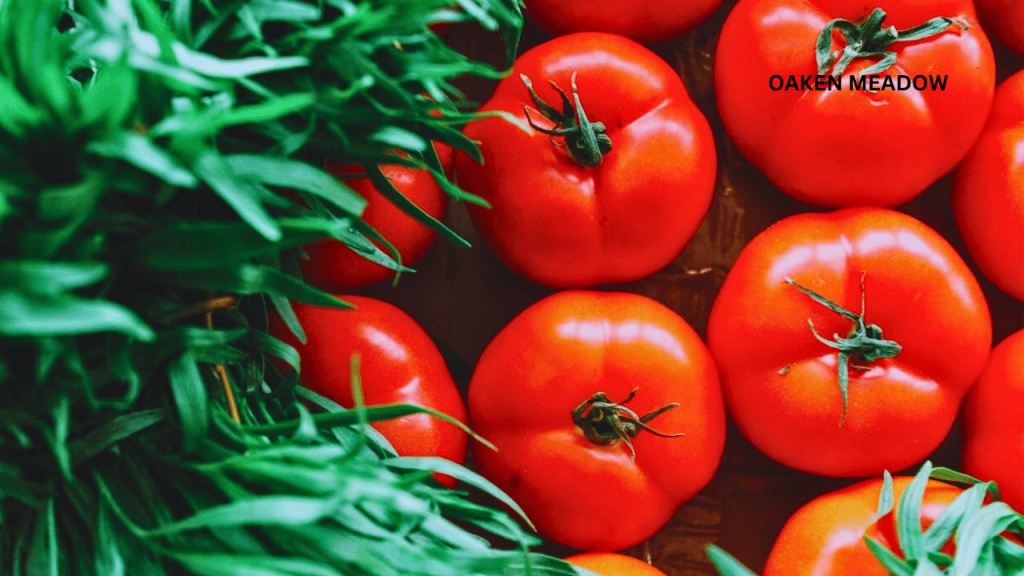
A single “Sun Gold” or “Cherokee Purple” tomato plant can produce 20+ lbs of fruit. At $5/lb for organic tomatoes at Whole Foods, two plants alone can save you $200 in a season.
Culinary Herbs (The ROI Kings)
Go to the store and look at those tiny plastic clamshells of Basil, Rosemary, or Cilantro. They are $4 each for a half-ounce! A $5 herb plant in a pot will grow all summer. Harvesting your own herbs is like printing money in your kitchen.
Salad Greens (The “Cut and Come Again” Method)
Don’t buy heads of lettuce. Plant “loose-leaf” varieties. You can snip off what you need for dinner, and the plant grows back in a week. Continuous harvests mean you never have to buy those $6 bags of wilted spring mix again.
3. The 5-Gallon Bucket Hack
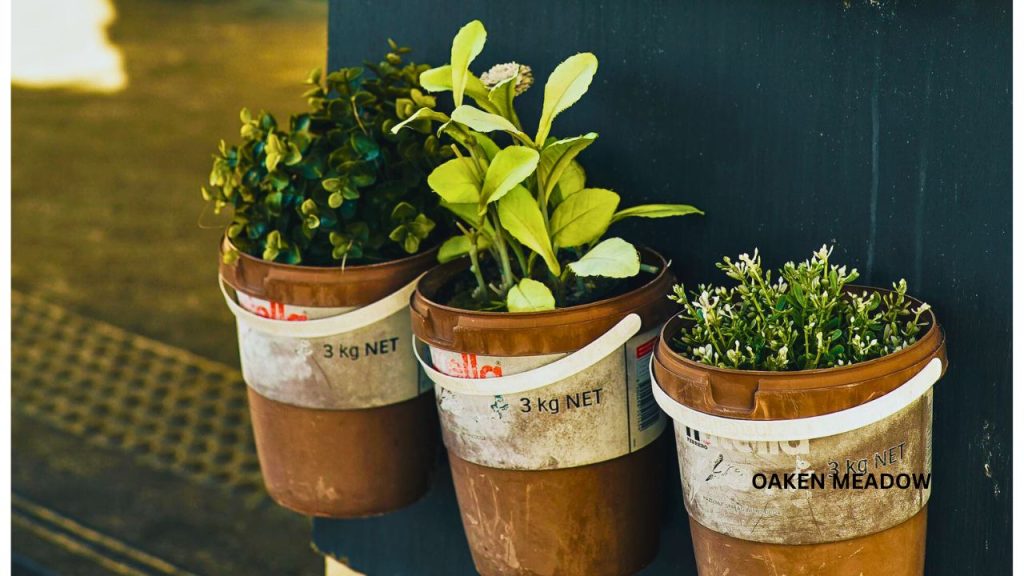
You don’t need fancy $50 ceramic pots. In fact, some of my highest yields come from plain old 5-gallon buckets (just drill drainage holes in the bottom!).
However, if you really want to level up your high-yield container gardening game, look into Fabric Grow Bags. These are a game-changer because they “air-prune” the roots. Instead of the roots circling the pot and getting choked (root-bound), the fabric allows the roots to breathe, creating a massive, fibrous root system that pulls in nutrients like a vacuum.
4. Vertical Gardening: The Secret to Tripling Your Space
In a small space, you can’t grow “out,” so you have to grow “up.” This is how you turn a 4×4 balcony into a jungle of food.
Use trellises, cattle panels, or even simple twine to train your cucumbers, pole beans, and tomatoes to grow vertically. When you grow vertically, you decrease the risk of soil-born diseases and pests, and you leave the surface of the pot open to grow “under-crops” like radishes or lettuce. Two harvests, one pot!
5. Watering: The “Goldilocks” Zone
Containers dry out fast—sometimes in hours during a humid US East Coast summer or a dry Texas heatwave. If your plants wilt, they stop producing fruit.
The Finger Test: Stick your finger two inches into the soil. If it feels dry, water it. If it’s damp, leave it.
Pro Tip: Always water the soil, not the leaves. Wet leaves are an open invitation for powdery mildew and blight, which will end your high-yield container gardening dreams faster than you can say “salad.”
6. Feed the Beast (Organic Fertilizing)
Plants in containers are like teenagers—they are always hungry. Because you are watering frequently, the nutrients wash out of the bottom of the pot.
To keep your yields high, you need to fertilize every 2 weeks. I swear by Fish Emulsion or Liquid Seaweed. Yes, it smells like a harbor for a day, but the nitrogen and micronutrients will make your plants explode with growth. If you want a $500 harvest, you can’t be stingy with the plant food.
My Biggest Mistake
My Personal Lesson Learned: > “I have to admit, when I first tried secret #3, I completely messed up. I tried to save money by using regular topsoil from my yard in my containers. The soil compacted, and my first batch of tomatoes completely stunted because the roots couldn’t breathe. That experience taught me to never compromise on potting mix. A good, lightweight organic mix might cost a few extra dollars upfront, but the harvest you get makes it more than worth it.”
7. Succession Planting: Don’t Let Your Pots Sit Empty
Most beginners plant everything in May and stop. By July, their lettuce has bolted (turned bitter and gone to seed), and the pot sits empty
High-yield container gardening is a relay race.
- Spring: Plant peas and spinach.
- Summer: When the peas die back in the heat, pull them out and plant peppers or cucumbers.
- Fall: When the heat breaks, plant another round of kale and carrots.
By keeping your containers occupied for three seasons, you maximize every square inch of your investment.
Want to See These Secrets in Action?
Gardening is a visual art! If you want to see exactly how to set up your containers for maximum yield, I highly recommend watching this tutorial by the experts at Epic Gardening. It’s a complete game-changer for any beginner looking to start their urban farm.
Frequently Asked Questions (FAQ)
How much sunlight do I actually need for high-yield container gardening?
For most “fruiting” vegetables like tomatoes, peppers, and cucumbers, you need at least 6 to 8 hours of direct sunlight. If your balcony or patio is shadier, don’t worry—you can still have a massive harvest by focusing on leafy greens (lettuce, spinach, kale) and herbs like mint or cilantro, which can thrive on just 4 hours of light.
Can I really save $500 with just a few pots?
Absolutely. The secret is focusing on high-value crops. A single organic bell pepper costs about $1.50–$2.00 at the store, and one plant can produce 10–15 peppers. When you add in “cut-and-come-again” salad greens and expensive fresh herbs, the savings add up fast. Most of my readers hit the $500 mark by their second season.
What is the best container size for a beginner?
If you’re just starting, the 5-gallon bucket is the “Goldilocks” size—it’s just right. It’s deep enough for tomato roots and large enough to hold moisture so you aren’t watering every ten minutes. For smaller herbs, a 1-gallon pot works fine, but when in doubt, always go bigger.
How often should I fertilize my container plants?
Because containers require frequent watering, nutrients wash out of the soil quickly. For a truly high-yield container garden, I recommend a weak dose of liquid organic fertilizer every 10 to 14 days. Think of it as “spoon-feeding” your plants rather than giving them one giant meal.
Do I need to buy new soil every year?
You don’t have to throw it away, but you must refresh it. Container soil loses its structure and nutrients over a season. Every spring, I dump my old soil into a wheelbarrow, mix in 30% fresh compost and a handful of organic granular fertilizer, and it’s good to go for another record-breaking harvest.
The “Cost Breakdown” Experience
How I Actually Hit That $500 Mark: People often ask me how I calculate the ‘$500 savings.’ In my own experience over one growing season, buying organic cherry tomatoes, fresh herbs (like basil and mint), and salad greens at the store would easily cost me $15 to $20 every single week. By growing just those three things in medium-sized containers, I saved over $300 in a few months. Add in bell peppers and a few root vegetables and crossing that $500 threshold became surprisingly easy.
Conclusion: Your $500 Harvest is Waiting
Before you start your first container, check your local USDA Plant Hardiness Zone Map to see exactly what grows best in your climate.
I’ll be honest with you: you might kill a plant or two. I still do. But that is just part of the tuition you pay to become a gardener. The feeling of walking onto your porch, clipping a handful of fresh basil and a warm, sun-ripened tomato for your dinner—knowing it cost you pennies—is unbeatable.
High-yield container gardening is the ultimate ‘life hack’ for the modern world. It’s better for your wallet, better for your health, and honestly, it’s just good for the soul.
What are you planning to grow first? Drop a comment below and let’s get your garden started!
Ready to Grow Your Own $500 Grocery Store?
Stop dreaming about a garden and start growing one! Whether you have a massive deck or a tiny fire escape, high-yield container gardening is your ticket to fresh, organic food and a smaller grocery bill.
Don’t miss out on my next garden hack! Join our community of urban farmers by subscribing to the newsletter below. I’ll send you my personal “Monthly Planting Cheat Sheet” and my secret recipe for organic pest spray—straight to your inbox.
Ready to Grow Your Own $500 Grocery Store?
Stop dreaming about a garden and start growing one! Whether you have a massive deck or a tiny fire escape, high-yield container gardening is your ticket to fresh, organic food and a smaller grocery bill.
Don’t miss out on my next garden hack! Join our community of urban farmers by subscribing to the newsletter below. I’ll send you my personal “Monthly Planting Cheat Sheet” and my secret recipe for organic pest spray—straight to your inbox.