10 Essential Homestead Pantry Staples for a Better Kitchen
Before you start stocking up, make sure you have the right tools. Check out our guide on [Homestead Kitchen Essentials] to get your kitchen ready. walking into your kitchen and knowing you have everything you need to whip up a gourmet, wholesome meal without a single trip to the grocery store. No more frantic, last-minute runs for a missing ingredient.
In a world of processed convenience, building a pantry filled with homestead pantry staples is your first step toward true independence. Whether you’re on a hundred acres or in a city apartment, this is how you start cooking with soul.
My Shift to a “Pantry-First” Kitchen
My Personal Experience: Why I Started This Pantry
When I first started focusing on self-sufficiency for Oken Meadow, I realized I was spending way too much time and money on last-minute grocery runs. In early 2026, I decided to stop ‘shopping for meals’ and start ‘stocking for a lifestyle.’ Transitioning to a pantry-first kitchen wasn’t just about hoarding food; it was about the peace of mind that comes with knowing I can cook a healthy meal even if I can’t get to the store. These 10 staples are the exact items that helped me make that shift successfully.
Table of Contents
Why Homestead Pantry Staples are a Total Game-Changer
It’s not just about “buying food”—it’s about security. When you stock your pantry with the right essentials, you’re saving money, reducing waste, and ensuring your family eats only the best. In the US, the “from-scratch” movement is booming because people want to know exactly what’s in their food.
The Foundation: Flours, Grains, and Beans
Every great homestead meal starts here. You need versatile ingredients that last.
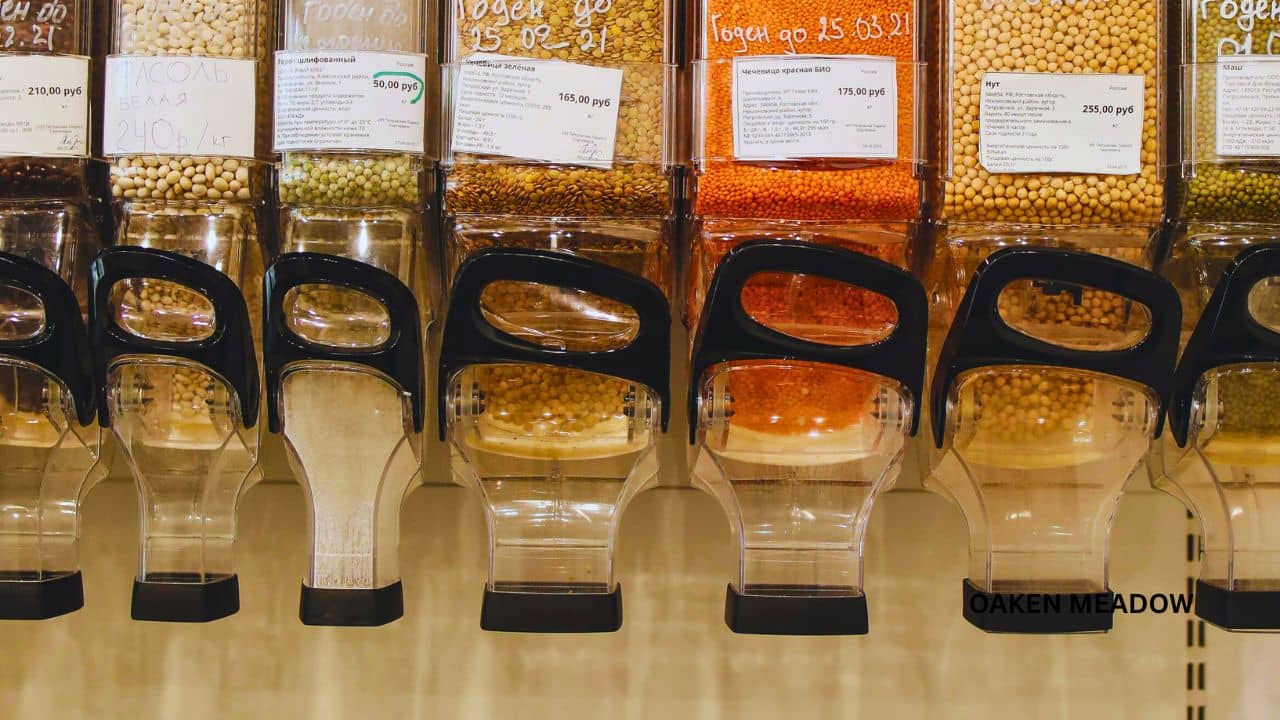
- All-Purpose & Bread Flour: The heartbeat of your homemade bread.
- Organic White & Brown Rice: The ultimate shelf-stable energy source.
- Dry Beans & Lentils: Cheap, protein-packed, and they last for years.
- Steel-Cut Oats: For more than just breakfast—think binders for meatloaf or homemade granola.
A Lesson on Proper Storage
A Quick Lesson from My Homestead Kitchen
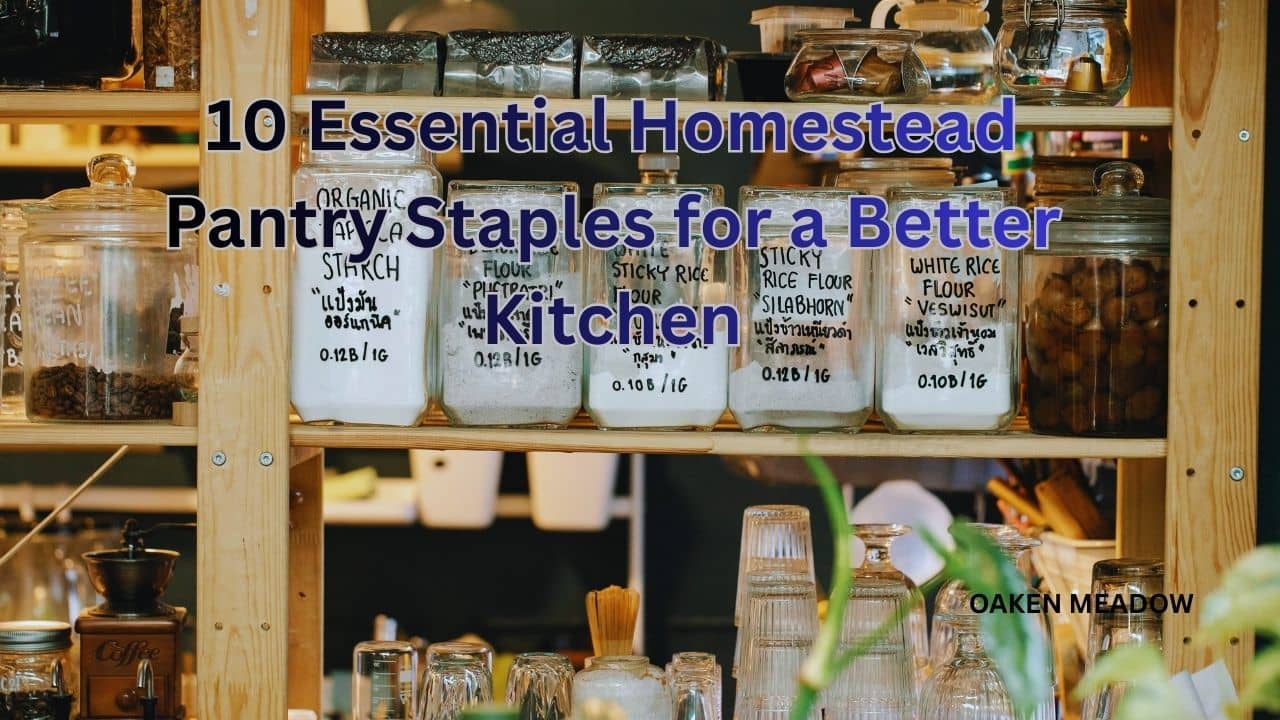
I have to be honest—I learned the hard way that a staple is only useful if it’s stored correctly. I remember buying a bulk bag of organic flour and just leaving it in the paper sack. Within weeks, I had to deal with pantry pests, and it was a total waste of money! That mistake taught me the true value of airtight glass jars. Now, every time I add one of these staples to my pantry, I make sure the storage is as high-quality as the food itself. In my experience, it’s these small practical habits that make a homestead kitchen actually work.
Sweeteners & Baking Must-Haves
Forget the refined white sugar. We’re talking about real, deep flavors that elevate your baking.

- Raw Local Honey: Nature’s gold (and it never spoils!).
- Pure Maple Syrup: For that authentic American homestead taste.
- Active Dry Yeast & Baking Soda: The magic behind every rise.
Healthy Fats and Long-Term Oils
The right fats are essential for both flavor and health.
- Extra Virgin Olive Oil: Your go-to for dressings and light cooking.
- Coconut Oil: Perfect for high-heat frying and dairy-free baking.
- Grass-Fed Ghee: The secret to rich, buttery flavor without the refrigeration worries.
If you’re a visual learner, check out this great walkthrough to see how to organize and store these pantry staples efficiently
If you’re a visual learner, check out this great walkthrough to see how to organize and store these pantry staples efficiently
How to Build Your Stockpile Without Breaking the Bank
You don’t need to spend $500 today. Use the “One Extra” Rule: Every time you shop, buy one extra bag of your favorite homestead pantry staples. Within months, you’ll have a pantry that would make your grandmother proud.
When building your pantry, safety is just as important as variety. Following [USDA food storage guidelines] ensures that your grains and staples remain fresh and nutrient-dense for months, or even years.
If you have any questions, feel free to Contact Us today!
Once you have your pantry stocked, the next step is learning how to use those ingredients. Check out our guide on the 7 traditional kitchen skills every modern homesteader should master to start your self-sufficiency journey
The End of “Dinner Panic”
How These Staples Changed My Daily Routine
People often ask me if keeping a stocked pantry at Oken Meadow feels like a lot of work. In my experience, it’s actually the opposite—it’s incredibly freeing. I no longer have that ‘dinner panic’ at 5:00 PM because I know I have the building blocks for a dozen different meals right at my fingertips. Whether it’s a simple soup or a fresh loaf of bread, these staples are the foundation of my kitchen’s productivity. I hope this guide helps you feel more prepared and grounded in your own home.
Conclusion: Your Journey Starts with One Jar
Building a self-sufficient kitchen is a journey, not a sprint. By focusing on high-quality homestead pantry staples, you’re not just stocking shelves—you’re building a lifestyle of health and freedom.
Call to Action (CTA): What is the one item you always keep in your pantry? Are you a sourdough fanatic or a dry-bean pro? Drop a comment below and let’s build this community together!
Frequently Asked Questions (FAQ)
1.How long do homestead pantry staples typically last?
Most dry staples like white rice, wheat berries, and dried beans can last 25-30 years if stored in oxygen-free, airtight containers. Flours and oils have a shorter shelf life, usually between 6 to 12 months, so it’s best to rotate those more frequently.
2.What is the cheapest way to start a homestead pantry?
The most budget-friendly way is the “Buy One, Get One” method. Every time you shop, buy one extra bag of flour or rice. Also, purchasing in bulk (25lb or 50lb bags) from local co-ops or restaurant supply stores significantly lowers the cost per pound.
3.Do I need a cellar or a basement to store these staples?
No. While a cool, dark basement is ideal, any cool, dry, and dark place in your home will work. A spare closet or even under-bed storage containers are great options as long as they are away from direct sunlight and moisture.
4.How do I prevent pests from getting into my dry goods?
The gold standard is using glass jars with airtight seals or Mylar bags with oxygen absorbers. For larger quantities, food-grade 5-gallon buckets with Gamma lids are excellent for keeping out weevils and rodents.
5.Should I store what I don’t currently eat?
The golden rule of homesteading is: “Store what you eat, and eat what you store.” Don’t buy 50 lbs of lentils if your family hates them. Focus on the basics you already use and learn to cook new recipes with them over time.