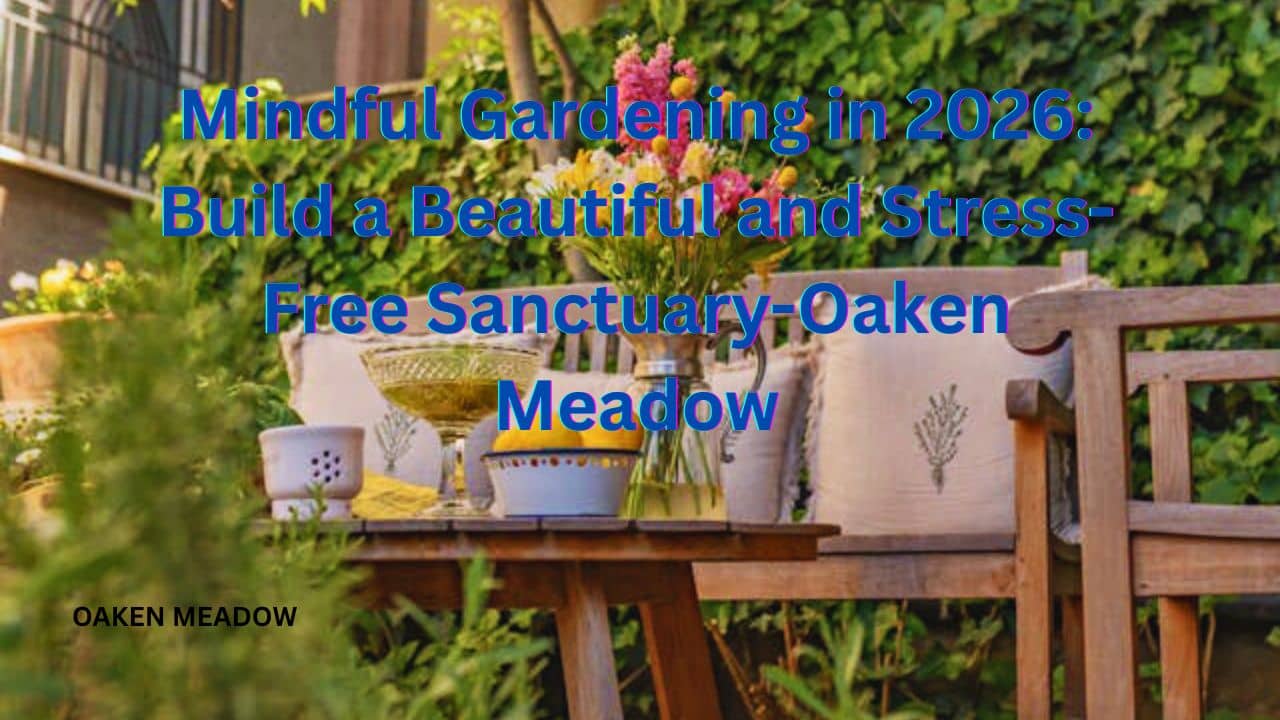
Mindful Gardening in 2026: Build a Beautiful and Stress-Free Sanctuary-Oaken Meadow
In the fast-paced world of today, Mindful Gardening in 2026 has emerged as the ultimate way to reclaim your mental peace. If you’ve been feeling the weight of digital burnout, transforming your outdoor space into a Stress-Free Sanctuary is no longer just a hobby—it’s a necessity for your well-being. I’ve spent years exploring how nature heals, and nothing compares to the grounding power of building a garden designed specifically for tranquility.
In the fast-paced, hyper-connected world of 2026, finding a true escape isn’t about traveling halfway across the globe; it’s about stepping into your own backyard. If you’ve been feeling the weight of “digital burnout” or the constant pressure of daily life, you aren’t alone. I’ve spent years exploring different ways to find balance, and nothing—not even the most advanced wellness apps—has compared to the grounding power of soil between my fingers.
Today, we are diving deep into the concept of Mindful Gardening in 2026. This isn’t just about growing vegetables or maintaining a lawn; it’s a deliberate practice of transforming your outdoor space into a Stress-Free Sanctuary.
My Personal Journey Toward a Mindful Space
I’ll be honest—2026 has been a fast-paced year so far, and like many of you, I found myself feeling overwhelmed by constant notifications and screen time. That’s when I decided to turn my small backyard into more than just a place for plants; I wanted a sanctuary. Mindful gardening isn’t about having a perfect garden; it’s about the process of grounding yourself. For me, the simple act of feeling the soil between my fingers and focusing on my breathing while I plant has become my daily therapy. Here is how I’ve been building my stress-free space this year.
Table of Contents
What is Mindful Gardening and Why Does it Matter in 2026?
Mindful Gardening in 2026 is the practice of being fully present in your garden. It’s about engaging with the rhythmic cycles of nature to quiet the noise in your head. As we move further into a tech-dominated decade, the “Green Therapy” movement has evolved. We no longer just garden for the harvest; we garden for the headspace.
Scientific studies recently updated in 2026 show that just twenty minutes of mindful interaction with plants can lower cortisol levels by over 30%. By focusing on the texture of a leaf or the scent of damp earth, you anchor yourself in the “now,” effectively turning your backyard into a healing Stress-Free Sanctuary.
Whether you have a massive lawn or you are just starting with raised bed gardening for beginners, the goal is to lower your stress levels and anchor yourself in the present moment.
Planning Your Sanctuary: Designing for Peace
Creating a Stress-Free Sanctuary requires a shift in perspective. Instead of thinking about “curb appeal,” think about “soul appeal.”
- The Power of Zones: Divide your garden into zones. Dedicate one specific corner solely to reflection. This area should be free of “work” (like compost bins or tool sheds) and filled with comfort—perhaps a weather-resistant daybed or a simple stone bench.
- Winding Paths over Straight Lines: In Mindful Gardening in 2026, we avoid rigid, straight lines. Curved paths slow down your pace. They encourage you to take smaller steps and notice the small details, like a new bud opening or a ladybug on a leaf.
To maintain these sensory plants without adding to your stress, ensure you are using the best garden tools for US home gardeners to keep the process light and enjoyable.
Sensory Gardening: Engaging Your Five Senses
To truly build a Stress-Free Sanctuary, you must engage all five senses. This holistic approach is the backbone of Mindful Gardening in 2026.
1. Sight: The Palette of Calm
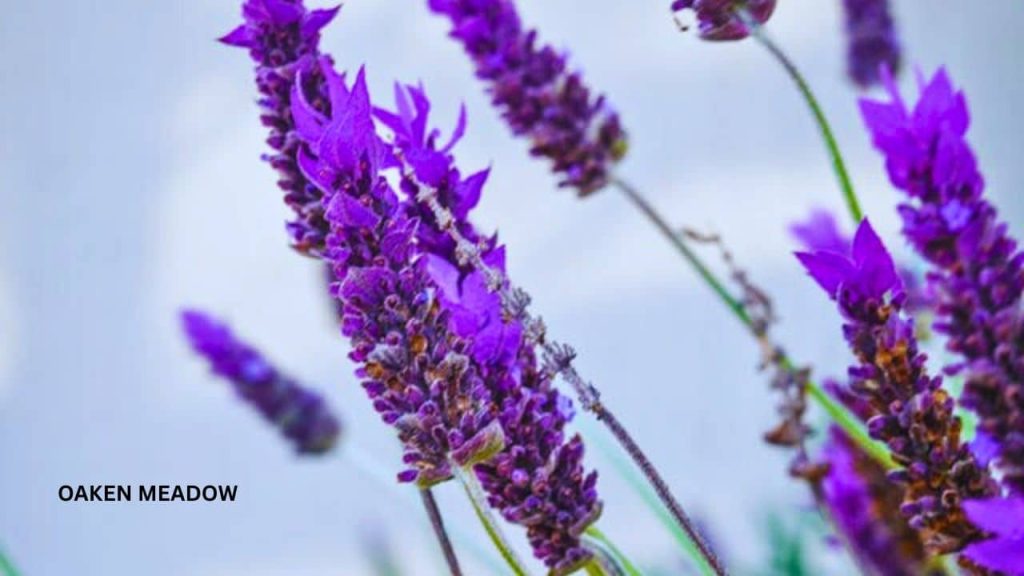
Color psychology is vital. While bright reds and yellows are energetic, for a sanctuary, you want cool tones. Focus on soft blues, deep purples, and silvery greens. Plants like Perovskia (Russian Sage) or Eucalyptus provide a visual “breath of fresh air.”
2. Sound: The Music of Nature
In 2026, urban noise pollution is at an all-time high. Mask it with natural white noise. Incorporate ornamental grasses that “whisper” when the wind blows, or a small, recirculating solar water feature. The sound of trickling water is a universal trigger for relaxation.
Designing for the Senses: Scents and Sounds
My Experience: One of the biggest changes I made in my mindful garden was focusing on scents and sounds. I planted lavender and jasmine right near my seating area, and the difference it makes in my stress levels is incredible. When I step outside after a long day of work, the scent immediately signals my brain to relax. I also added a small, solar-powered water fountain. The sound of trickling water masks the distant traffic noise and helps me stay present in the moment. It’s these tiny, low-cost details that turn a regular garden into a mindful sanctuary.
3. Smell: Aromatherapy in the Air
Scent is the fastest way to trigger the parasympathetic nervous system. Plant Night-scented Stock, Jasmine, or Lavender near your seating area. In Mindful Gardening in 2026, we suggest “crush-path” herbs like Creeping Thyme; as you walk on them, they release a calming aroma.
4. Touch: Textural Grounding
Don’t just look at your plants—touch them. Include “tactile” plants like Stachys byzantina (Lamb’s Ear), which feels like soft velvet, or the papery bark of a Birch tree. This physical connection is a core pillar of Mindful Gardening in 2026.
Mindful Maintenance: From Chores to Meditation
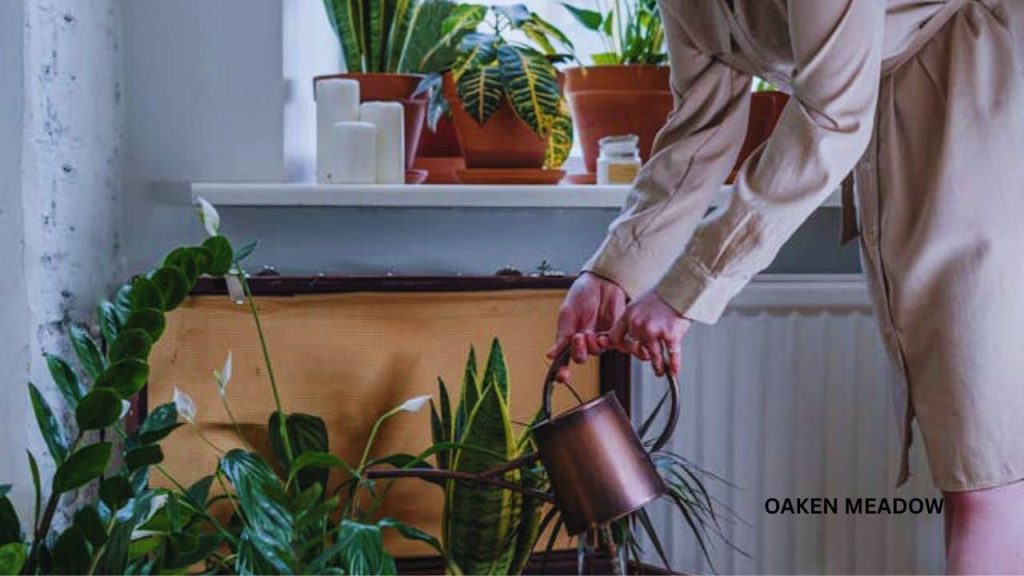
One of the biggest mistakes people make is viewing gardening as a “to-do” list. To maintain a Stress-Free Sanctuary, you must change your relationship with garden work.
- Rhythmic Weeding: Instead of rushing to clear a bed, focus on the sensation of pulling a single weed. Feel the resistance of the soil. View it as symbolic—as you pull the weed, imagine you are removing a stressful thought from your mind.
- The Watering Ritual: Ditch the automatic sprinklers for a hand-watering session at least once a week. Watching the water transform the color of the soil and seeing the leaves perk up is a deeply rewarding, mindful experience.
Lessons in Patience: Growing Peace of Mind
A Lesson I Learned: In the beginning, I used to get frustrated when a plant didn’t grow or when pests attacked my garden. But mindful gardening taught me that I can’t control everything, and that’s okay. Now, when I see a withered leaf or a slow-growing seedling, I see it as a reminder to be patient with myself too. Taking just ten minutes every morning to walk through my garden without my phone has become the most important part of my day. It’s not just about growing plants; it’s about growing peace of mind.
Visual Inspiration: The Power of Mindful Gardening
To see how you can practically transform your outdoor space into a healing retreat, watch this beautiful guide on creating a relaxing sanctuary:
Integrating Modern Tech Without the Stress
We can’t ignore technology in 2026, but we can use it to protect our peace.
- Bio-Feedback Sensors: Use subtle sensors that tell you when your plants need water via a simple light glow, rather than a loud phone notification.
- Eco-Acoustics: High-quality outdoor speakers can play subtle 528Hz “Solfeggio frequencies” to enhance your meditation sessions within your Stress-Free Sanctuary.
Frequently Asked Questions (FAQs)
Do I need a large backyard to practice Mindful Gardening in 2026? Absolutely not.
Mindful gardening is about the quality of your connection with nature, not the square footage. You can create a Stress-Free Sanctuary on a small balcony or even a windowsill. The key is to focus on a few sensory plants, like lavender or mint, and dedicate time to observing their growth
What are the best plants for a Stress-Free Sanctuary if I’m a beginner? For 2026, we
recommend “low-drama” plants. Lavender is perfect for its calming scent, Lamb’s Ear for its soft texture, and Snake Plants for their air-purifying qualities and resilience. Choose plants that don’t require constant, complex care so your gardening time remains a joy, not a chore.
How does gardening actually reduce stress levels? It’s a combination of physical activity,
sunlight (Vitamin D), and “Biophilia”—our innate human connection to nature. Mindful Gardening in 2026 specifically focuses on lowering cortisol by forcing the brain to step away from digital screens and engage with the present, tactile world.
Can I still have a mindful garden if I live in a noisy city? Yes! In fact, urban dwellers need
a Stress-Free Sanctuary the most. You can use “sound-masking” techniques like adding a small bamboo water fountain or planting tall, swaying ornamental grasses to create a natural sound barrier against city noise.
Is 2026 gardening technology expensive to integrate? Not necessarily. While high-end
bio-feedback sensors exist, many mindful gardeners opt for affordable solar-powered water timers or simple soil moisture meters. The goal is to use tech to reduce your worry about plant maintenance, not to add more screen time to your day.
For more scientific insights on how nature improves your well-being, you can explore the health and wellbeing benefits of gardening shared by leading horticultural experts.
Conclusion: Start Small, Grow Deep
You don’t need an acre of land to practice Mindful Gardening in 2026. Whether it’s a sprawling backyard or a few pots on a balcony, the goal remains the same: to create a Stress-Free Sanctuary where you can breathe, be, and belong.
Gardening teaches us that everything has a season. There is a time to grow, a time to bloom, and a time to rest. As you cultivate your garden, you’ll find that you are also cultivating a much calmer version of yourself.
Call-to-Action (CTA)
Ready to Find Your Peace in the Soil?
Don’t wait for the “perfect” moment to start your journey. Your Stress-Free Sanctuary begins with a single seed and a moment of breath. Whether you’re looking to escape the digital noise or simply want a more beautiful place to drink your morning coffee, Mindful Gardening in 2026 is the most rewarding investment you can make in your mental well-being.
Download our “2026 Sanctuary Plant List” below or leave a comment sharing which sense you want to focus on in your garden this year! Let’s grow a calmer world, one plant at a time.