12 Sustainable Modern Organic Living Room Ideas That Look Expensive on a Budget
When I first started designing my own home, I fell completely in love with the modern organic aesthetic. You know the look: it’s that effortlessly chic, grounding blend of clean architectural lines and warm, earthy textures. It feels like a high-end wellness retreat. But there was one major problem—when I looked at the price tags of solid oak furniture, artisan ceramics, and organic linen sofas, my jaw hit the floor.
I quickly realized that creating a beautiful space shouldn’t mean draining your savings, nor should it mean buying cheap, mass-produced items that end up in a landfill a year later. That’s when my mission began: figuring out how to achieve a sustainable modern organic living room without the luxury price tag.
If you are craving a space that feels grounded, natural, and incredibly expensive (but is secretly budget-friendly), you are in the right place. Here are 12 sustainable modern organic living room ideas that prove you don’t need a millionaire’s budget to create a luxurious sanctuary.
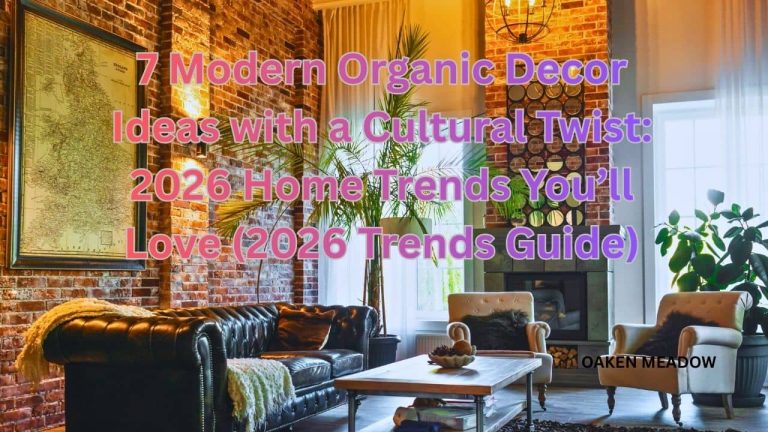
Before we dive into today’s topic, if you want to explore the foundation of this aesthetic, check out our guide on 7 Modern Organic Decor Ideas with a Cultural Twist. It’s a great starting point for anyone looking to add a soulful, global touch to their home.
Table of Contents
When I first started styling my own living room, the ‘modern organic’ look felt completely out of reach. Everywhere I looked, sustainable furniture came with a massive price tag. But after months of trial and error, I realized that achieving that expensive, earthy aesthetic isn’t about spending thousands of dollars. It’s about intentional choices—mixing textures, upcycling, and knowing where to save. Here is exactly how I approach it.
1. Forage for Sculptural Branches Instead of Buying Flowers
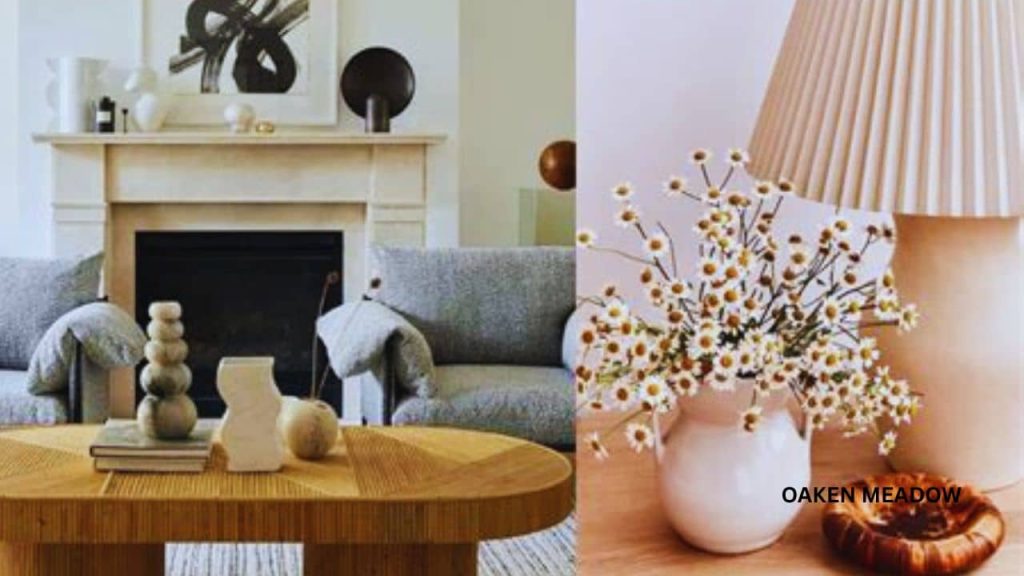
Let’s start with my absolute favorite—and completely free—design secret. High-end designers rarely use tight, formal floral arrangements in modern organic spaces. Instead, they use large, dramatic, architectural branches.
Take a walk outside or visit a local wooded area (where foraging is permitted) and look for fallen or overgrown branches with interesting curves. Oak, birch, or dried manzanita branches work beautifully. Place them in a thrifted, heavy ceramic vase or a large glass jug. This instantly adds height, brings raw nature indoors, and gives your room that bespoke, high-end gallery feel without spending a single dime.
2. Upcycle Thrifted Wood Furniture for Raw Texture
A hallmark of a sustainable modern organic living room is the use of natural wood grain. Solid wood furniture from designer stores is incredibly expensive, but thrift stores, estate sales, and Facebook Marketplace are goldmines for solid, well-built pieces.
Look past the glossy, outdated orange varnish on old coffee tables or sideboards. Buy a piece with good bones for cheap, strip the old finish using a non-toxic citrus stripper, and sand it down to reveal the raw, pale wood underneath. Seal it with a clear, matte water-based polyurethane or a natural beeswax. You’ll end up with a custom, textured statement piece that looks like it cost thousands.
My Experience: I used to think I needed to buy brand-new, solid oak pieces to get this look. Instead, I found an old, scratched coffee table on Facebook Marketplace for just $20. A quick sanding and a coat of matte, water-based sealant gave it that raw, wabi-sabi look you see in high-end magazines. Don’t be afraid of imperfections in wood—they add character and save you so much money.
3. DIY Textured Canvas Art with Plaster
If you scroll through Pinterest looking at modern organic living room ideas, you’ll always spot oversized, textured, minimalist art. These canvases can cost hundreds of dollars retail.
You can make your own for less than $20. Buy a large, cheap canvas from a thrift store (it doesn’t matter what is painted on it). Buy a small tub of drywall joint compound or plaster from the hardware store. Use a putty knife to spread the compound over the canvas in sweeping, organic arches. Once it dries, paint it in a warm, stone-colored hue. It looks incredibly sophisticated and acts as a beautiful focal point.
4. Layer Natural Fiber Jute and Vintage Wool Rugs
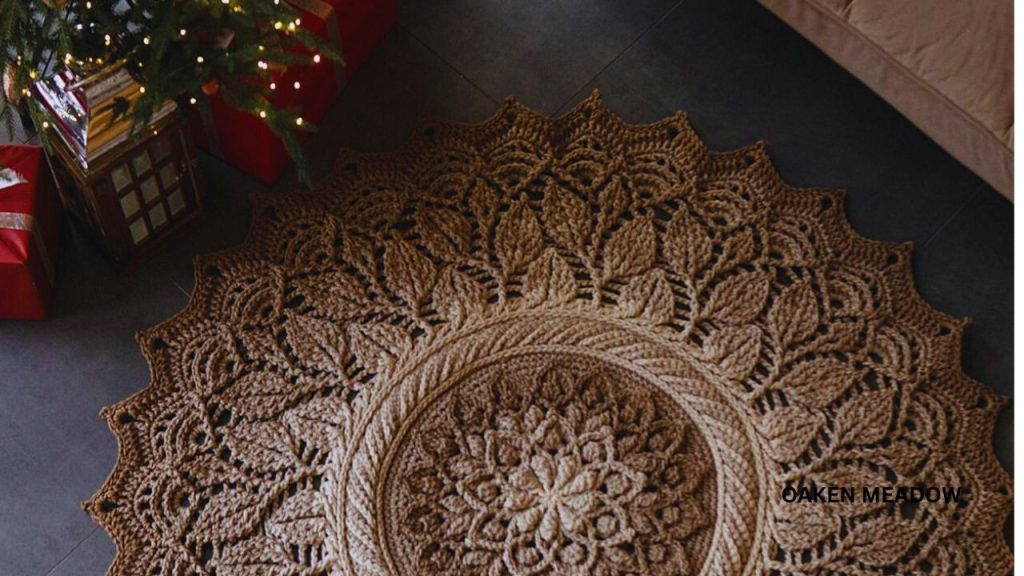
Rugs are the anchor of any living room. To get that rich, layered look sustainably, start with an inexpensive, oversized natural fiber rug, like jute, sisal, or seagrass. These materials are highly renewable, biodegradable, and bring immediate earthy texture to the room.
To make it look expensive, layer a smaller, vintage wool or cotton rug on top of the jute. You can often find stunning second-hand Turkish or Persian runners on Etsy or eBay for a fraction of the cost of new ones. This layering trick adds incredible depth, softness, and a curated, collected-over-time vibe.
Pro Tip from my living room: Layering is my ultimate budget secret. I bought a large, affordable jute rug as my base, and layered a smaller, vintage-style throw rug on top. It makes the room feel incredibly cozy and custom-designed without the custom price tag. When thrifting, always check the tags and stick to natural materials like linen, cotton, or wool blends.
5. Decorate with Propagated Trailing Houseplants
You cannot have a sustainable modern organic living room without plants. They purify the air and soften harsh architectural lines. However, buying massive, mature fiddle leaf figs or monsteras from a nursery is pricey.
The budget-friendly, sustainable route is propagation. Ask friends or family for cuttings of their Pathos, Philodendrons, or Snake Plants. Stick the cuttings in small, recycled amber glass bottles filled with water. Place them on bookshelves or side tables. As they grow roots and trail down, they add an effortless, wild elegance to your space that feels vibrant and alive.
6. Paint with Earthy, Low-VOC Colors
Paint is the cheapest way to completely transform the mood of a room. The modern organic palette steps away from stark, sterile whites and embraces warm, nature-inspired tones. Think creamy mushroom, soft sage green, warm taupe, or muted terracotta.
When buying paint, always opt for Low-VOC (Volatile Organic Compounds) or Zero-VOC options. These are vastly better for your indoor air quality and the environment. A warm, earthy wall color instantly makes a room feel cozier and more expensive, acting as the perfect backdrop for your natural decor.
Creating a cozy home doesn’t have to break the bank. We’ve previously shared a deep dive into 11 Rustic Farmhouse Decor on a Budget Ideas, which offers practical DIY tips that pair perfectly with the modern organic style we are discussing today.
7. Refresh Your Space with Linen Slipcovers
Does your current sofa clash with your new aesthetic? Don’t throw it out! Throwing away large furniture is terrible for the environment, and buying a new organic sofa is a massive investment.
Instead, invest in a natural linen or organic cotton slipcover. Many companies make custom or semi-custom slipcovers for popular sofa models (like IKEA), or you can drape a large, heavy linen throw over the cushions for a relaxed, deconstructed look. Linen naturally wrinkles in a way that feels luxurious and inviting, instantly elevating your old furniture.
8. Curate Nature-Inspired Vignettes on Coffee Tables
Ditch the mass-produced plastic or resin decor items. The most expensive-looking rooms feature items that look like they were gathered from travels around the world.
Create a vignette on your coffee table using a wooden bowl filled with smooth river stones, a beautiful piece of driftwood, or a collection of large, sculptural seashells. Stack these next to a few thrifted, hardback books about architecture or nature. These natural elements bring a grounding energy to the room and cost next to nothing.
9. Illuminate with Warm LEDs and Second-Hand Woven Pendants
Lighting makes or breaks a room’s vibe. Harsh, cool-toned lighting makes even the most expensive room look like a hospital waiting area. Swap all your bulbs for energy-efficient, warm white LEDs (look for 2700K to 3000K).
To add a modern organic touch, look for oversized rattan, bamboo, or woven grass pendant lights. You can frequently find these at thrift stores or vintage markets. Hanging a woven pendant over your coffee table or in a reading nook draws the eye up and casts beautiful, textured shadows across the room at night.
A quick note on styling: The biggest mistake I made early on was buying lots of small, cheap decor items to fill empty spaces. It just looked cluttered. Now, I stick to one large statement piece—like an oversized terracotta pot with a snake plant, or even a large, sculptural branch I literally found outside. It instantly elevates the room and costs almost nothing.
10. Source Scrap Stone and Marble Accents
Natural stone is a staple of organic design. While a solid travertine or marble coffee table might be out of the budget, you can still incorporate these materials sustainably.
Visit a local stone fabricator or countertop manufacturer and ask to look at their “remnant” or scrap pile. They often sell small pieces of marble, soapstone, or travertine for just a few dollars. You can use a heavy piece of rough-hewn stone as a rustic bookend, or a polished slab of marble as a luxury styling tray for your candles and coasters.
11. Choose Natural Fabrics for Throw Pillows
Throw pillows are the easiest way to update a living room, but buying cheap, synthetic polyester pillows is neither sustainable nor chic. Synthetic fabrics often look shiny and wear out quickly.
Instead, hunt for pillow covers made of 100% organic cotton, raw silk, linen, or wool. You can find these heavily discounted during end-of-season sales, or you can even sew your own using fabric remnants. Stuff them with down-alternative inserts you already own. The tactile difference of natural fabrics instantly upgrades the perceived value of your sofa.
12. Master ‘Negative Space’ Through Decluttering
My final piece of advice is perhaps the most important, and it is 100% free. The defining characteristic of a high-end, sustainable modern organic living room is that it is never cluttered.
Luxury design relies heavily on “negative space”—the empty space around your furniture and decor. It allows your beautiful, natural pieces to breathe and stand out. Spend a weekend ruthlessly decluttering. Donate items that no longer serve you or fit your vision. By simply removing excess visual noise, your living room will instantly feel larger, calmer, and infinitely more expensive.
Pro Habit: “Clutter is the enemy of a modern organic aesthetic. To learn more about how a clean space can improve your mental well-being, read this article from The Spruce on Minimalism in Home Decor.
Final Thoughts
Creating a stunning home doesn’t require a limitless budget or a heavy environmental footprint. By focusing on raw textures, upcycled materials, and mindful curation, you can build a space that feels deeply personal and incredibly chic. Start small—forage a branch today, or rearrange your furniture to create more breathing room—and watch your home transform.
Ready to start your room makeover? Let me know in the comments below which of these 12 ideas you are going to try first! And if you found this guide helpful, don’t forget to pin it for later.
Frequently Asked Questions (FAQ)
What exactly is the “modern organic” interior style?
The modern organic style is a blend of clean, contemporary lines and warm, natural elements. It focuses on earthy color palettes, sustainable materials (like linen, jute, and raw wood), and plenty of indoor plants to create a space that feels both stylish and peaceful.
How can I make my living room look expensive on a small budget?
The secret is “curation over consumption.” Focus on decluttering, adding texture through natural textiles (like linen or wool), using oversized sculptural branches instead of expensive flowers, and upcycling thrifted furniture. These elements give a room a custom, high-end feel without the designer price tag.
Are sustainable furniture options really affordable?
Absolutely. The most sustainable furniture is often what already exists! By thrifting, refinishing old wood pieces, or sourcing vintage items, you save money while keeping high-quality materials out of landfills, which is the definition of sustainable living.
How do I choose the right color palette for a modern organic living room?
Stick to colors found in nature. Warm whites, soft beiges, muted sage greens, stone greys, and terracotta tones work best. These colors are timeless, grounding, and provide the perfect, calming backdrop for any living room.
Why is “negative space” important in modern organic design?
Negative space (or empty space) is essential because it allows the eye to rest and makes the pieces you do have stand out. It prevents the room from feeling cramped and is a key trick used by interior designers to make a space feel more open, airy, and luxurious.
Watch: How to Design a Modern Organic Living Room (2026 Style Guide) Description: In this video, we break down the key elements of the modern organic look—from natural textures to sustainable furniture—that will define home decor in 2026.
Conclusion
Creating a sustainable modern organic living room isn’t about chasing the latest trends or spending a fortune on luxury retail pieces. It’s about cultivating a home that tells a story, respects the environment, and feels inherently grounded. By choosing raw textures over mass-produced plastic, embracing the beauty of upcycled wood, and curating your space with mindful intention, you can achieve that sought-after “expensive” look on even the tightest budget. Remember, true luxury in interior design is found in the calm, the clutter-free, and the connection to nature. Start with one small change today, and you’ll be surprised at how quickly your living room transforms into the serene sanctuary you’ve always dreamed of.
Call-to-Action (CTA)
Ready to start your room makeover? Don’t let your living room stay stuck in a style that doesn’t inspire you! Pick just one of these 12 ideas—like foraging for a sculptural branch or clearing off your coffee table—and try it today. You’ll be amazed at how quickly your home begins to feel more luxurious and grounded.
Join the movement: Leave a comment below and let me know which of these ideas you’re going to try first. And if you found these tips helpful, don’t forget to pin this post to your “Dream Home” Pinterest board so you can come back to it whenever you need a boost of inspiration!